
Your healthcare organization generates enormous volumes of data — clinical encounters in EHRs, claims in payer systems, device readings from RPM and IoMT platforms, and operational data across every administrative system. Yet most of this data sits in silos, locked in proprietary formats and inaccessible to the analytics, population health, and AI workloads that could transform it into actionable insight. A healthcare data lake consolidates these sources into a single, scalable, analytics-ready platform. This guide walks you through the architecture, zones, and best practices to build one that is HIPAA-compliant and built for real-world use.
What is the primary advantage of a data lake over a traditional data warehouse for healthcare data?
Select one answer.
Why a data lake instead of a warehouse?
Traditional data warehouses require defining the schema before loading data (schema-on-write). Healthcare data is too diverse and too unpredictable for rigid schemas — HL7v2 messages, FHIR resources, C-CDA documents, DICOM metadata, claims files, and flat CSVs all need a home. A data lake accepts data in its native format (schema-on-read), storing raw data first and applying structure when queried. The modern approach is the lakehouse: combine the flexibility of a data lake with the performance and governance of a data warehouse. Platforms like Databricks, Snowflake, and cloud-native lake formations (AWS Lake Formation, Azure Synapse, BigQuery) enable this pattern — raw data lands in the lake, transformation layers apply clinical schemas, and a query engine serves analytics, reporting, and AI/ML workloads source.
The four essential zones of a healthcare data lake
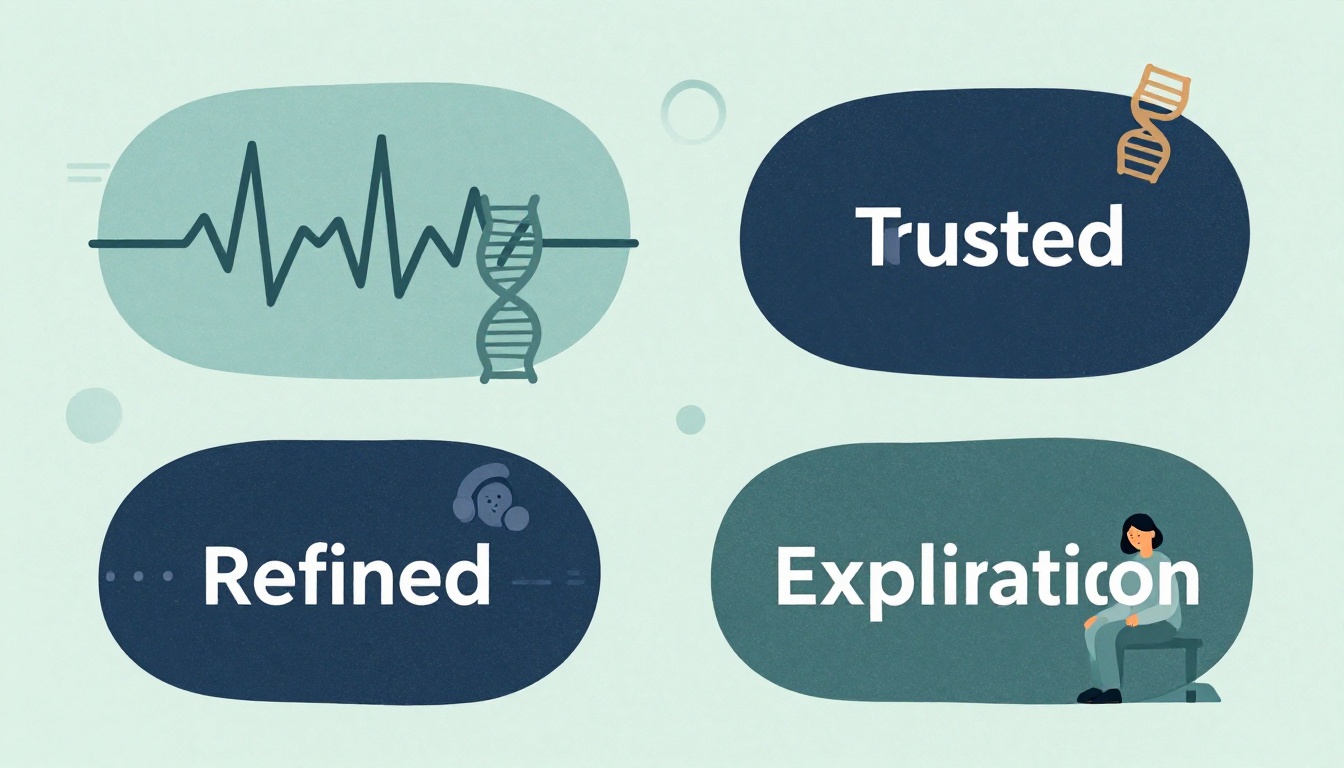
To avoid turning the data lake into a "black lagoon," it should feature four specific zones that optimize the analytics experience for multiple user groups source:
- Raw data zone — stores data in its original format, immutable and append-only. This is the source of truth for lineage.
- Refined data zone — data is cleaned, deduplicated, and transformed into a more usable structure.
- Trusted data zone — data is validated against business rules and clinical standards, ready for reporting and dashboards.
- Exploration zone — a sandbox for data scientists and analysts to experiment without affecting production data.
Each zone is defined by the level of trust in the resident data, the data structure and future purpose, and the user type.
Medallion architecture: a proven pattern
A medallion lakehouse design organizes data across multiple layers, with structure and quality improving as data moves through each layer source:
- Bronze lakehouse (raw zone) — ingests source files into OneLake or creates shortcuts from native storage sources. Data is append-only and immutable. Staging tables hold each data modality (e.g., ClinicalFhir, ImagingDicom).
- Silver lakehouse — data is flattened, normalized, and stored in delta tables. This layer supports efficient transformations and data processing.
- Gold lakehouse — data is aggregated and curated for specific business use cases, such as executive dashboards or value-based care reporting.
Actionable steps to build your data lake
- Design with governance in mind from the ground up. Implement role-based access control, encryption at rest and in transit, and audit logging. HIPAA compliance requires strict access policies and data de-identification pipelines for research datasets source.
- Structure the data lake for flexibility and growth. Use folder partitioning following best practices for Azure Data Lake Storage or similar to improve organization, filtered searches, and automation.
- Optimize for performance and cost. Choose the right storage tier (hot, cool, archive) based on data access patterns. Use columnar formats like Parquet or Delta Lake for efficient querying.
- Build automated ingestion pipelines. Use tools like Azure Data Factory, AWS Glue, or custom scripts to pull data from EHRs, lab systems, and IoT devices. Support both batch and streaming ingestion.
- Implement a de-identification pipeline. Automate the creation of research-ready datasets while protecting patient privacy through sophisticated anonymization techniques.
Common pitfalls to avoid
- Treating the data lake as a dumping ground. Without governance and zone definitions, the lake becomes a "data swamp."
- Skipping data lineage. Always track where data came from and how it was transformed.
- Ignoring compliance from day one. Retrofitting HIPAA controls is far more expensive than building them in.
- Over-indexing on tools before understanding requirements. As one expert noted, "You don't want to start with the tool. You need to understand what you're trying to do so you properly evaluate which offerings would be best for you" source.
Real-world impact
Grand River Hospital built the first AWS healthcare data lake in Canada to house sensitive patient and administrative data while retiring legacy systems. They migrated three terabytes of data and decommissioned nearly 27 applications, achieving seamless business continuity and a strategic platform for future analytics source.
How the Featured Expert Can Help
Building a healthcare data lake requires specialized expertise in data architecture, HIPAA compliance, and analytics tooling. ArcadientIQ LLC offers project-based consulting to help healthcare organizations design and implement data lakes, automate workflows, and build executive dashboards — without requiring you to build an internal analytics team. Their expertise includes Tableau, Alteryx, SQL, and business intelligence solutions tailored to healthcare.
Quiz: Test your knowledge
What is the primary advantage of a data lake over a traditional data warehouse for healthcare data?